The Install
From 7 September 2026, New Zealand’s new self-certification scheme for plumbing and drainlaying is live.
For eligible work, endorsed plumbers and drainlayers can now certify that their work complies with the building consent without waiting for a Building Consent Authority inspection. The scheme is voluntary, and the normal Building Code and consent requirements still apply.
For the right jobs, that could mean fewer inspection delays and a bit more control over how work moves through site. But there are a few things worth knowing before assuming every job can be self-certified.
Self-certification is designed to recognise the skills of experienced plumbers and drainlayers, while putting clear accountability behind the person signing the work off.
First up, not everyone can do it
Self-certification is only available to plumbers and drainlayers who hold certifying registration, a current practising licence, and a self-certification endorsement from the Plumbers, Gasfitters and Drainlayers Board.
So this isn’t replacing the normal pathway for everyone. It’s another option for appropriately endorsed practitioners.
Not every job qualifies either
The scheme only applies to certain eligible plumbing and drainlaying work.
At a high level, the building must be three storeys or less and cannot contain apartments. The work also has to meet the scheme’s design and eligibility requirements.
That means eligibility needs to be checked before the work gets underway.
It needs to be sorted at consent stage
This is probably one of the most useful things to know. The plumbing or drainlaying that will be self-certified needs to be identified as self-certifiable in the building consent.
You can’t get to inspection day, find the council is booked out, and decide to self-certify instead.
So if self-certification is going to be used, the owner, designer and plumber need to be on the same page early.

Building consent hasn’t disappeared
Self-certification removes the need for a BCA inspection of eligible work.
It does not remove the need for a building consent where one would normally be required, and it doesn’t change the requirement for the work to comply with the Building Code. BCAs still assess building consent applications and issue the building consent and Code Compliance Certificate.
In other words, the process changes. The standards don’t.
More control also means more responsibility
At the end of the job, the endorsed plumber or drainlayer issues a certificate of compliance confirming that the self-certified work complies with the building consent. Supporting information may also be required as part of that certificate.
That’s the trade-off. You potentially get fewer inspection delays, but your name is going on the work you certify.
For experienced plumbers and drainlayers, that’s really what the scheme is built around: recognising their capability while putting clear responsibility behind the sign-off.
What does this mean for the products going on the job?
Self-certification puts more responsibility on the endorsed practitioner to make sure eligible work is completed in line with the building consent and that the right supporting information is available for the certificate of compliance.
That makes simple, repeatable installation and good product documentation even more valuable.
For Waterware, this is where Caleffi can be a useful partner on the job.
Fewer joints. Fewer steps. Less to document.
Caleffi Connect is designed to simplify hot water cylinder installations by reducing the number of individual fittings and connections required.
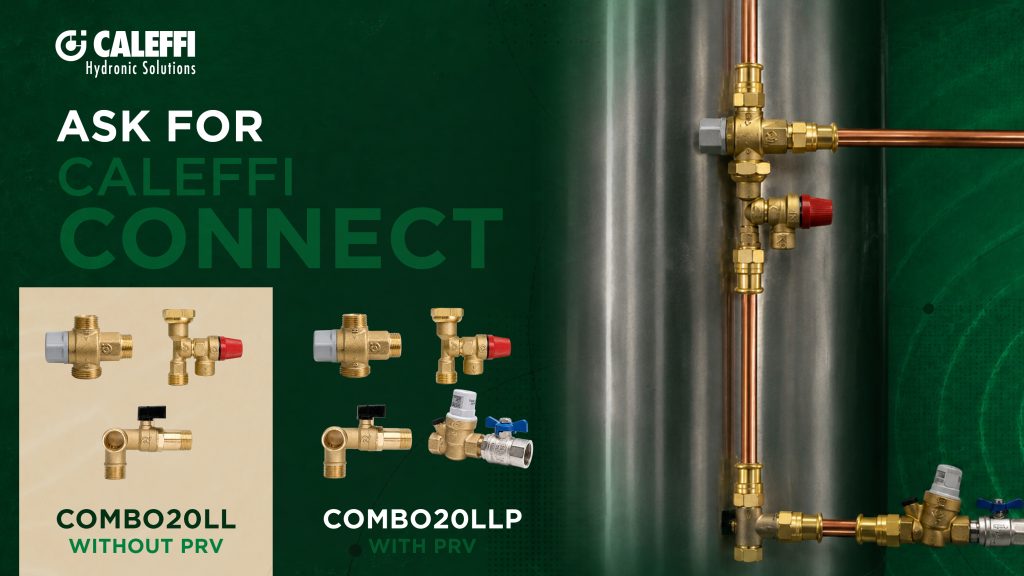
That can help create:
- fewer joints to assemble and check
- a cleaner, more repeatable installation
- fewer individual components to manage
- a simpler product trail when documenting what has been installed
Alongside that, the Caleffi 5 range gives plumbers a broader set of proven components around the hot water cylinder.
The point isn’t that these products make a job self-certifiable. They don’t.
The value is that when you’re taking more responsibility for signing off your own work, anything that makes the installation simpler, cleaner and easier to record starts to matter more.
A good fit for a changing way of working
Self-certification is intended to reduce inspection delays and give endorsed practitioners more control over eligible work, while also putting greater responsibility behind the person signing it off.
Our view is that the plumbers who embrace that model are likely to place more value on products that help them work consistently and reduce unnecessary complexity.
That’s where we think Caleffi fits:
Faster to install. Cleaner on the wall. Easier to document.
So what could it mean for the job?
For eligible projects, the upside is pretty straightforward:
- fewer BCA inspections for the plumbing or drainlaying being self-certified
- less waiting around for inspection availability
- more control over programme
- potentially fewer delays holding up the next stage of the job
The scheme was introduced specifically to help reduce inspection delays and make the consenting process more efficient.
Want the official detail?

We’ve kept this to the practical overview. building.govt.nz has the full eligibility criteria, process and guidance for anyone looking at self-certification.
You might also be interested in…