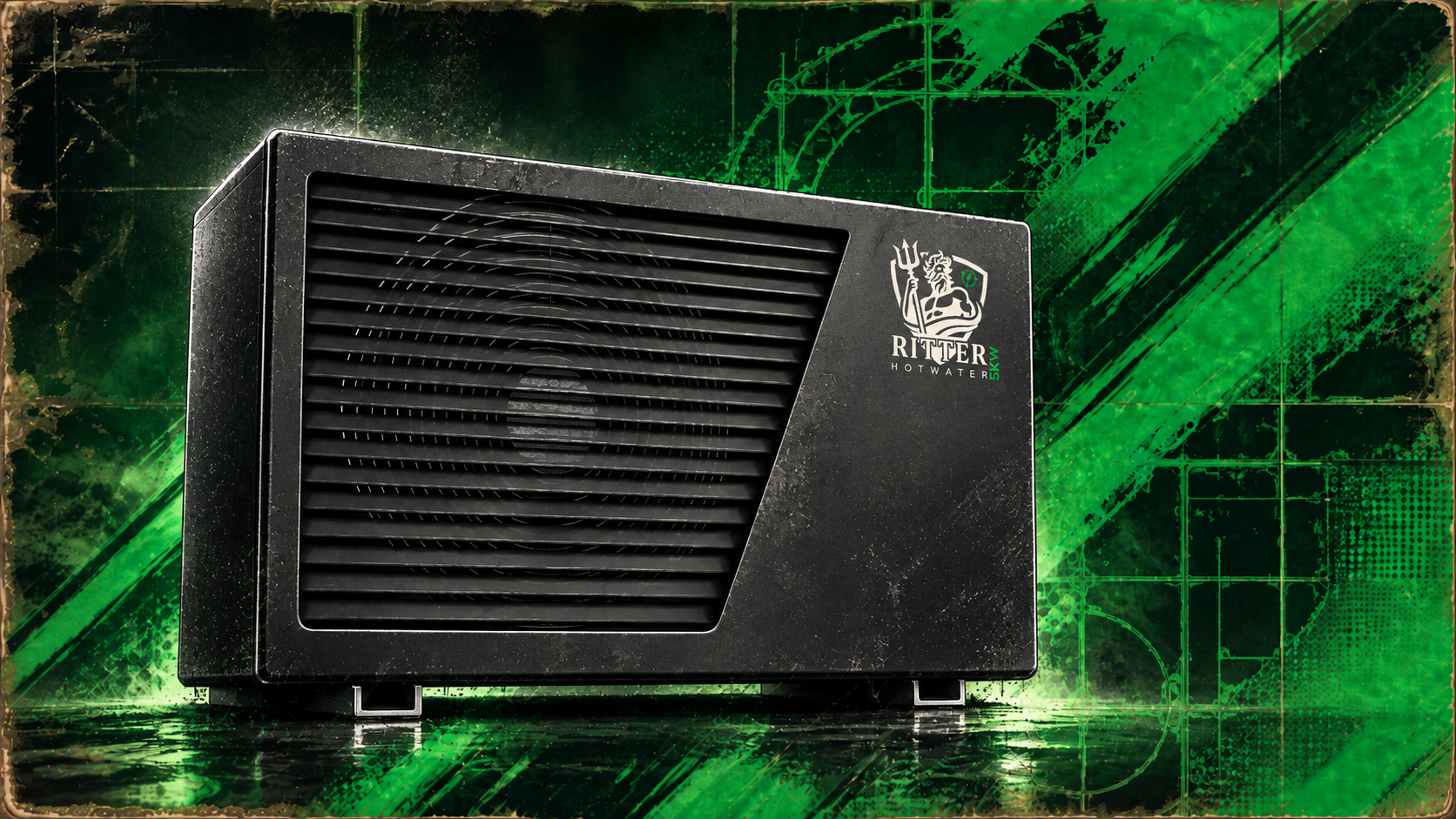
The Install


Lead-free requirements are now part of the landscape for potable water systems in New Zealand.
For plumbers, the practical question is pretty simple:
Is the product I’m installing compliant, and can my supplier prove it?
That matters across a wide range of everyday plumbing products, including valves, fittings, tapware, water meters and other copper-alloy components used in contact with drinking water.
What does lead-free actually mean?
Under G12/AS1, relevant plumbing products used for potable water need to meet the lead-content requirements, with compliant products generally verified against the recognised lead-free testing standard.
For pressurised copper-alloy components, dezincification resistance is also part of the picture.
So while the terminology can get technical, the on-site question is much simpler:
Does the product have the right compliance behind it?
This is where your supplier matters
Most plumbers don’t want to spend half an hour hunting through test certificates every time they need a valve.
That’s where a good supplier should make life easier.
Waterware has been working through its range to provide lead-free compliant options across key plumbing categories, with supporting product information available where required.
Then I’d visually break out the Waterware ranges.
Waterware options already available
For plumbers looking to stay ahead of the change, Waterware already has product options across both front-of-wall and hot water cylinder applications.
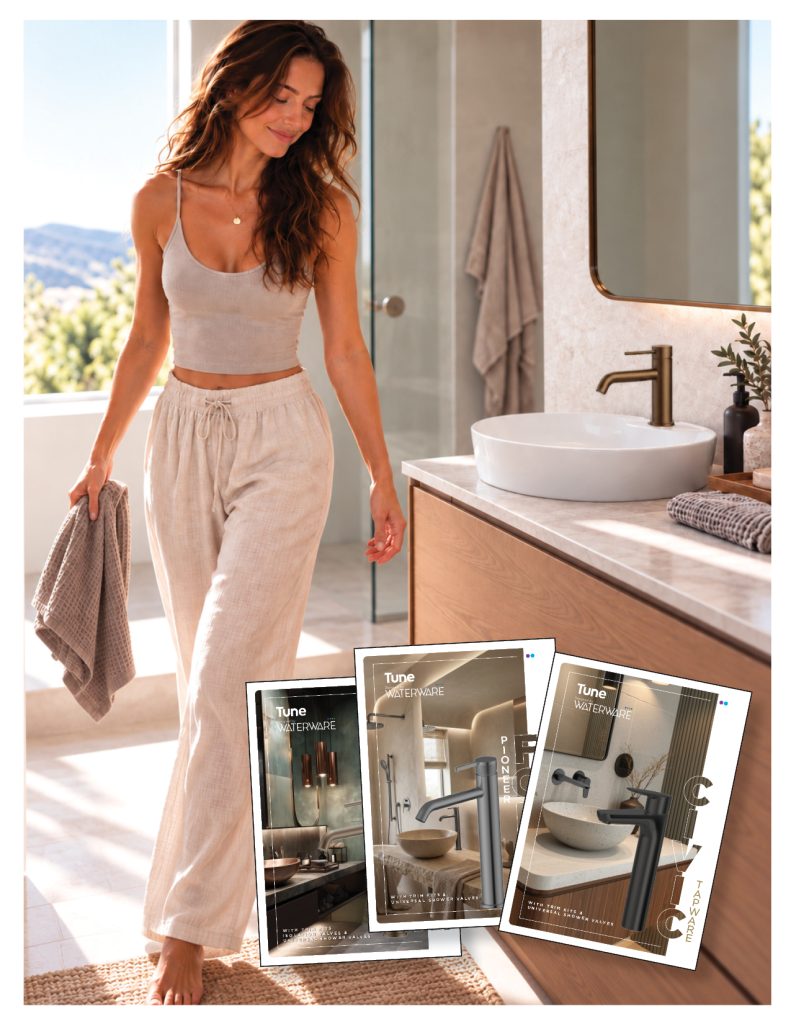
Lead-free tapware
Waterware’s tapware ranges include lead-free options for potable water applications, helping simplify product selection on residential and commercial projects.
Caleffi 5 for plumbing
For behind-the-wall applications, the Caleffi 5 range brings together five core plumbing valve solutions designed around reliable, practical installation.
What should you check before installing?
Keep it simple:
1. Is it being used for potable water?
If yes, lead-free requirements may apply.
2. Is it copper alloy?
Brass valves, fittings, mixers and similar components are the obvious ones.
3. Is there supporting compliance information?
Look for recognised test certification or product documentation.
4. If you’re unsure, ask.
Waterware can help confirm which product is suitable before it goes on the job.
You might also be interested in…