The Install
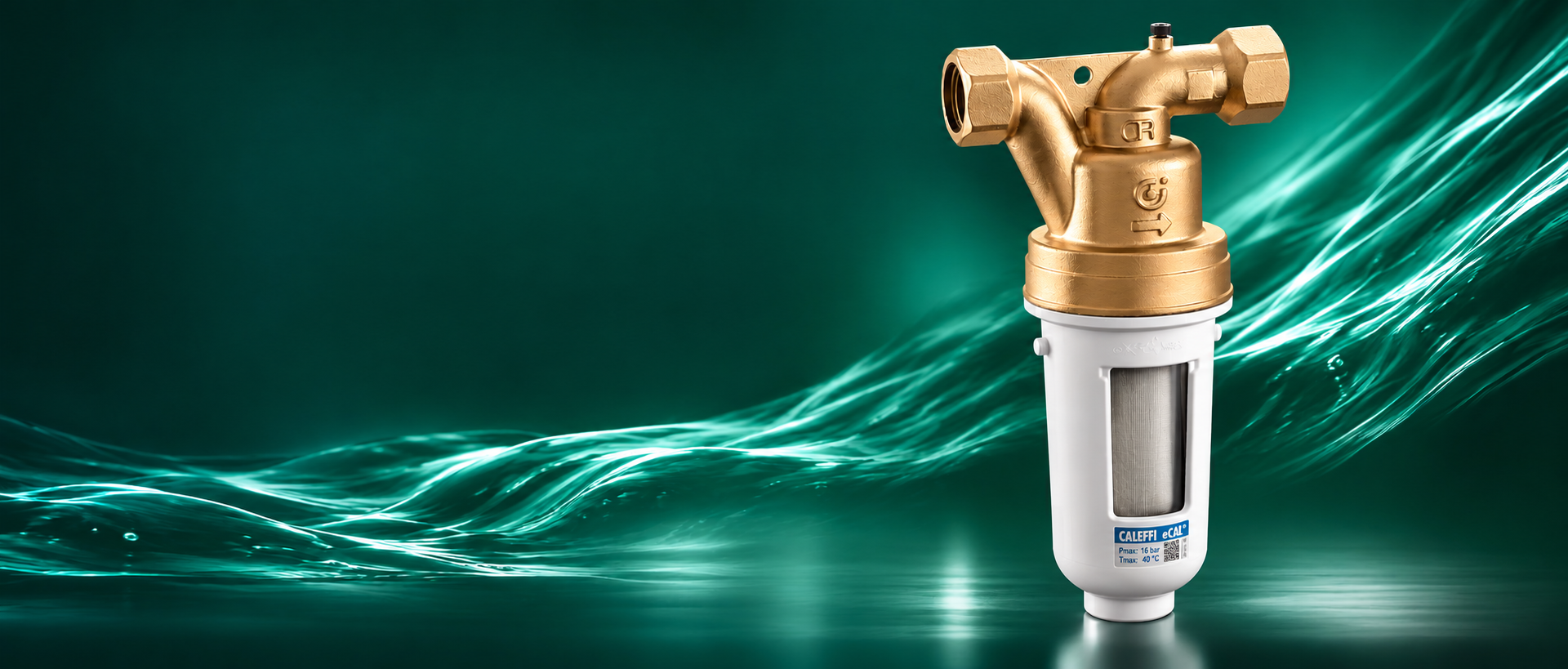
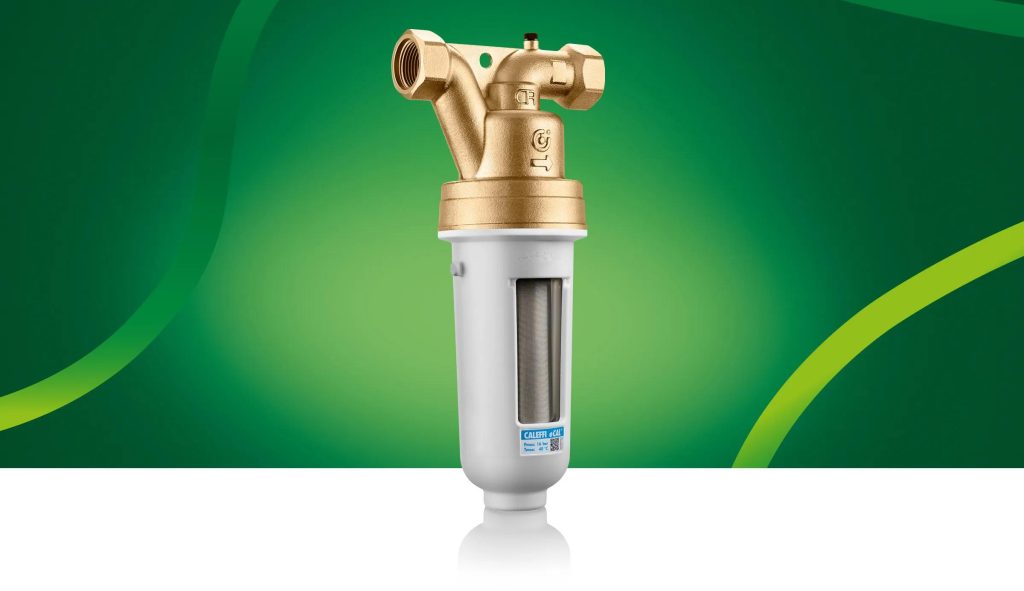
Introducing Caleffi eCAL: a new, cost-effective approach to limescale protection for light commercial hot water systems.
Hard water is a familiar challenge in many parts of New Zealand. From Whanganui and Feilding to Gisborne and Central Otago, naturally occurring minerals in the water supply can lead to limescale building up inside plumbing and hot water equipment.
For plumbers and engineers, the consequences can go beyond unsightly deposits. Limescale can reduce heat transfer efficiency, restrict water flow and increase maintenance requirements, particularly in systems that rely on consistent hot water production.
Traditional water softening systems can help manage these problems, but they can also involve significant upfront costs, ongoing maintenance and consumables.
Now there’s another option.
The Caleffi eCAL 5377 is an electrolytic anti-scale device designed to reduce limescale build-up without removing minerals from the water, adding chemicals or requiring an electrical connection.
And importantly for New Zealand, its recommended operating range extends well beyond the hardness levels reported in several of our harder municipal water supplies.
How hard is New Zealand’s water?
Water hardness varies considerably across New Zealand, depending on where the water comes from and the minerals it encounters.
Some regions have naturally soft water, while others experience noticeably higher mineral concentrations, particularly where groundwater contributes to the local supply.
Water hardness is commonly measured in milligrams per litre (mg/L) as calcium carbonate (CaCO₃).
For comparison, Caleffi specifies a recommended maximum water hardness of approximately 450 mg/L as CaCO₃ for the eCAL 5377.
The regional figures below show how some of New Zealand’s harder water supplies compare with that limit.
How NZ water hardness compares with Caleffi eCAL
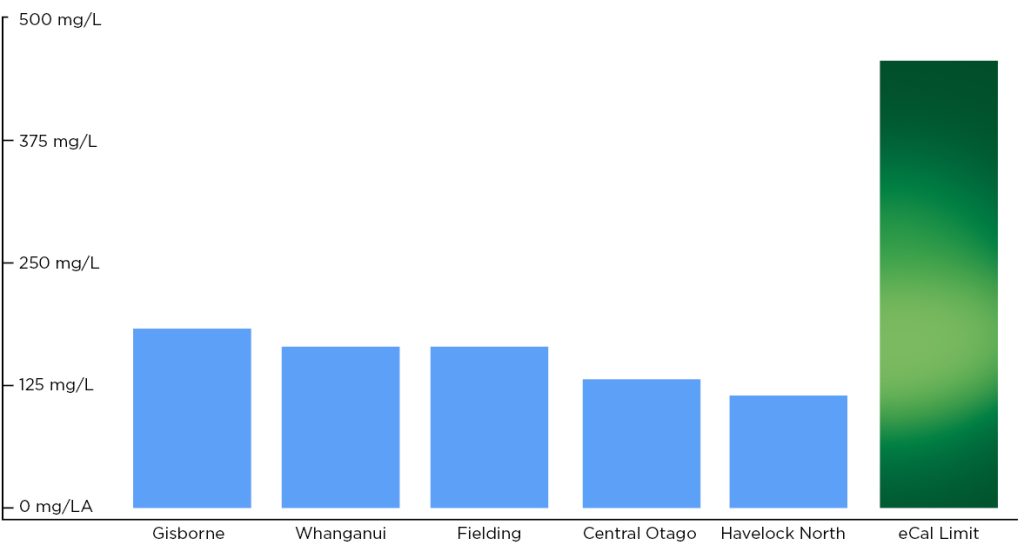
Indicative regional water hardness figures compared with the Caleffi eCAL recommended maximum. Regional values may vary by source, supply zone and time. The graph uses the upper end of the supplied regional ranges.
Even in these harder-water locations, the reported hardness levels are comfortably below eCAL’s recommended maximum.
For example, Gisborne’s indicative upper hardness level of 180 mg/L represents just 40% of the device’s recommended limit, while Whanganui and Feilding sit at approximately 36%.
This provides a useful indication of eCAL’s potential suitability for New Zealand installations, although water chemistry, flow rates and other operating conditions must also be considered.
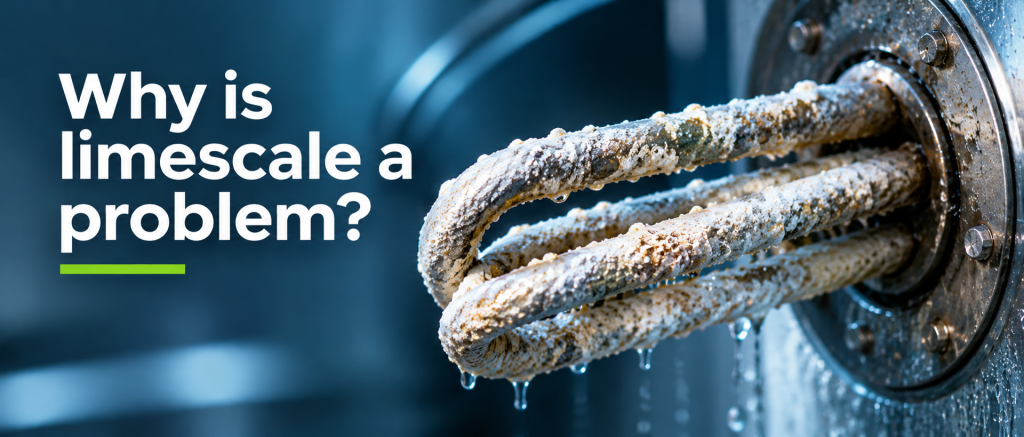
Limescale develops when dissolved minerals, particularly calcium carbonate, form solid deposits on internal surfaces.
Hot water systems are especially vulnerable because heating water can encourage calcium carbonate to precipitate and accumulate.
Over time, these deposits can affect:
- Heat exchangers and heating elements: Scale can act as an insulating layer, reducing heat transfer efficiency.
- Pipework and valves: Deposits can restrict flow and interfere with normal operation.
- Hot water cylinders: Scale accumulation can contribute to increased maintenance requirements.
- System reliability: Persistent scale build-up can contribute to equipment faults and reduced performance.
For facilities such as motels and smaller aged care buildings, where reliable hot water is essential, reducing scale accumulation can help protect equipment and limit unnecessary maintenance.
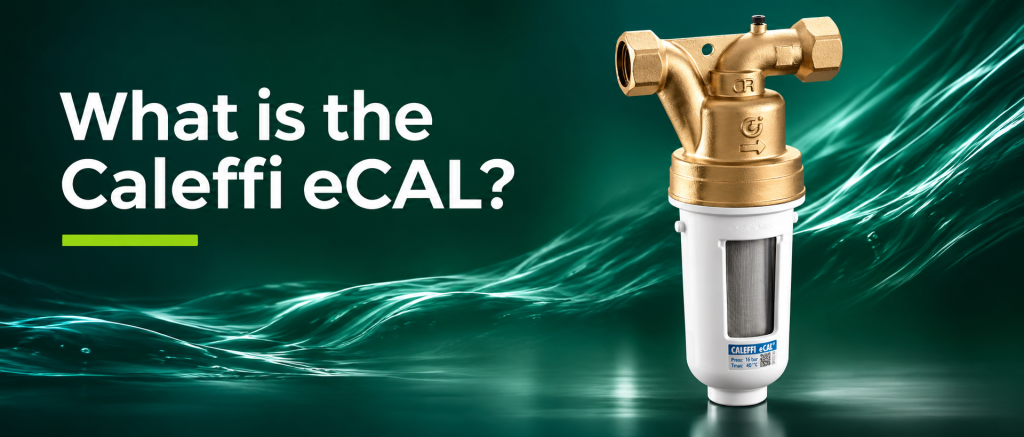
Rather than removing calcium and magnesium from the water, Caleffi eCAL uses electrolytic technology designed to change how calcium carbonate crystallises.
Traditional scale tends to form as calcite, a crystalline structure that can adhere strongly to internal surfaces.
Caleffi’s technology encourages the formation of aragonite, a different crystalline form of calcium carbonate that is less inclined to form hard, adherent deposits.
This helps reduce the accumulation of scale on downstream equipment while retaining the naturally occurring minerals in the water.
The important distinction is that eCAL manages scale formation rather than softening the water.
Approximately 85% less limescale build-up in Caleffi testing
According to Caleffi’s published comparative testing, its electrolytic anti-scale technology achieved approximately 85% less limescale deposition under the specified test conditions.
While actual results will depend on water chemistry and system operating conditions, the testing demonstrates the potential of electrolytic treatment as an alternative approach to scale management.
Three functions in one compact device
Caleffi eCAL combines three water treatment functions within a single unit.
1. Electrolytic anti-scale treatment
Designed to reduce the formation of hard calcium carbonate deposits without chemically softening the water.
2. 50-micron mechanical filtration
An integrated stainless steel filter captures particulate impurities, helping protect downstream equipment.
3. Magnetic particle separation
An integrated magnetic element helps capture ferromagnetic particles that may be present in the water supply.
Together, these functions provide a compact approach to scale management and incoming water filtration.

For smaller commercial buildings, installing a conventional water softening system may not always be necessary or economically justified.
Where the main objective is reducing scale deposition rather than removing hardness minerals, Caleffi eCAL offers an alternative worth considering.
Potential applications include:
- Motels and smaller accommodation facilities
- Small aged care facilities
- Light commercial buildings
- Appropriately sized centralised hot water systems
Unlike traditional salt-based softeners, eCAL does not require salt replenishment, regeneration cycles or an external electrical supply for its anti-scale function.
This can simplify operation and reduce some of the ongoing servicing requirements associated with conventional softening systems.
The integrated filter still requires routine inspection and cleaning, and the unit must be correctly sized for the installation.
What engineers and installers need to know
Caleffi eCAL 5377 is designed for installation on the incoming cold potable water supply, upstream of the equipment it is intended to protect.
The device must be selected and installed within its recommended operating parameters.
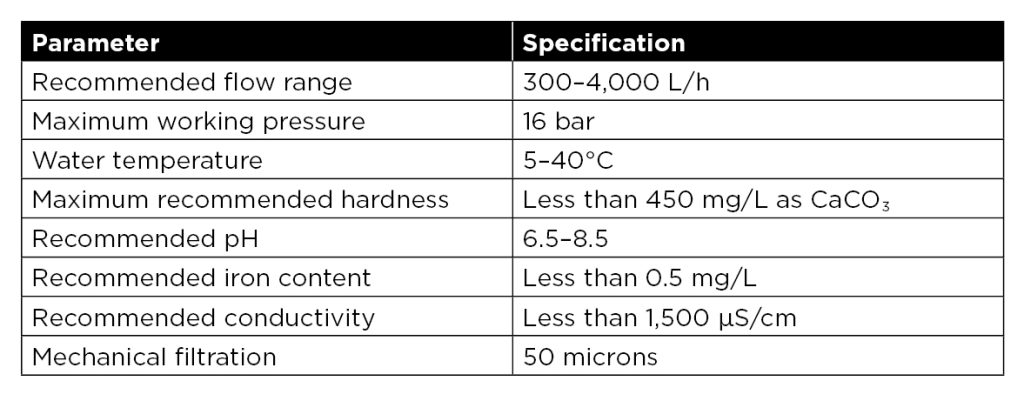
Importantly, the maximum hardness rating should not be confused with a guarantee of scale prevention. The effectiveness of any scale management technology depends on the wider water chemistry and operating conditions.
For light commercial projects, engineers should assess peak water demand, pressure loss, installation configuration and the equipment being protected before specifying the device.
Does every hard-water system need a traditional softener?
Not necessarily.
Water softening and scale management are related, but they are not the same thing.
Traditional ion-exchange softeners reduce the concentration of hardness-forming minerals. This may be necessary for applications with strict water hardness requirements.
Caleffi eCAL does not reduce hardness. Instead, it is designed to reduce the tendency of calcium carbonate to form hard deposits.
For applications where scale control is the primary objective, this distinction opens the door to an alternative that may be simpler and more economical to install and maintain.
It’s about choosing the right treatment method for the application, rather than assuming every hard-water problem requires the same solution.
A new option for New Zealand’s hard-water challenges
From Whanganui to Feilding, hard water is a familiar issue for many New Zealand plumbers.
With a recommended water hardness limit of 450 mg/L as CaCO₃, Caleffi eCAL offers an operating range that comfortably accommodates the published hardness levels in these examples.
Combine that with electrolytic scale management, integrated filtration and no requirement for external power or salt replenishment, and eCAL becomes an interesting new option for appropriately sized hot water installations.
For plumbers, it’s another solution to offer customers dealing with scale-related problems.
For engineers and specifiers, it’s a technology worth considering when evaluating scale management for light commercial hot water systems.
Caleffi eCAL. A smarter approach to limescale protection.
Interested in finding out whether Caleffi eCAL is suitable for your next project?
Contact the Waterware team to discuss the product, technical specifications and application requirements.
You might also be interested in…